
 Matt S
Introduction
Purchasing a home can be one of the most exciting yet daunting experiences of your life, and one of those daunting elements is working out the costs of buying a house. This article delves into the different costs for consideration when buying your new home.
Contents
- Deposit
- Stamp Duty
- Surveyors Fee
- Mortgage Valuation Fee
- Mortgage Arrangement Fee
- Removals
- Storage
- Legal Fees
- Summary
- Compare Conveyancing Quotes
Deposit
Your deposit is probably the biggest single upfront cost when buying a house. A typical minimum deposit has been 5-10% of the purchase price, although some mortgage lenders will lend based on just a 5% deposit (95% LTV mortgages).
Bear in mind though that the lower the deposit, the more you will need to borrow from your mortgage lender, which also results in a higher interest rate. So if you're able to put down more as a deposit, this will help make your monthly mortgage payments cheaper.
Stamp Duty
Stamp Duty (also known as SDLT or Stamp Duty Land Tax) is essentially a tax charged on property transactions in England and Northern Ireland, and its rates are determined by the property's value. The more expensive the house, the more stamp duty you will pay. There are circumstances where you will pay no stamp duty at all, for example, if the property you are purchasing is less than £125,000, or less than £300,000 if you are a first-time buyer (with relief applying up to £500,000).
Stamp Duty is calculated on a stepped basis. For a standard purchase (non-first-time buyer), you pay 0% on the first £125,000, 2% on the portion from £125,001 to £250,000, 5% from £250,001 to £925,000, and higher rates above that.
First-time buyers (as of 2026):
- 0% on the first £300,000
- 5% on the portion from £300,001 to £500,000
- No relief if the property costs over £500,000 (standard rates apply to the whole price).
Additional properties (second homes, buy-to-lets) attract a 5% surcharge on top of the standard rates.
The table below shows the standard stamp duty rates (main residence, non-first-time buyer):
| Property purchase price slice | Rate |
|---|---|
| Up to £125,000 | 0% |
| £125,001 – £250,000 | 2% |
| £250,001 – £925,000 | 5% |
| £925,001 – £1,500,000 | 10% |
| £1,500,001 + | 12% |
Surveyors Fee
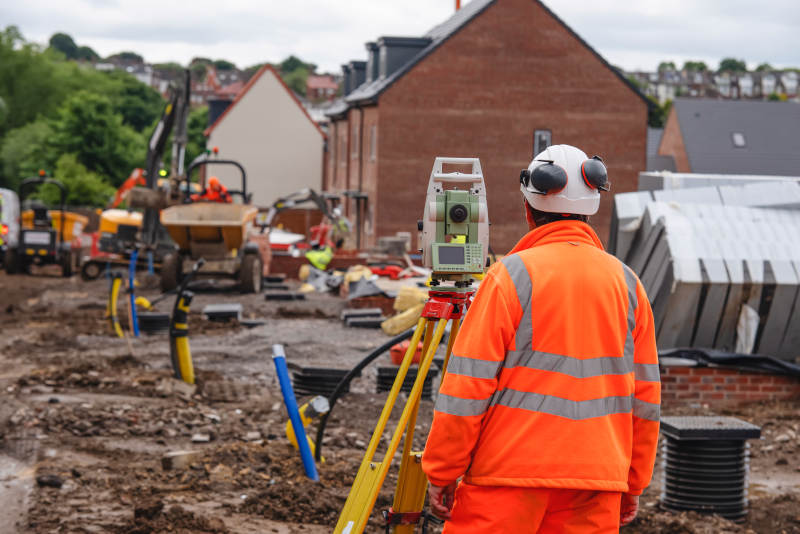
Property surveys are essential for assessing a property's condition and identifying potential issues before committing to buy. The surveyor's fee covers the cost of their expertise in evaluating the property's condition and structural integrity.
There are different levels of survey, with costs ranging from around £400 to £1,500+. The level of survey required will depend much on the type and age of the house you are purchasing. For example, a newer home is less likely to have structural problems compared with a Victorian terrace, so a cheaper survey may suffice.
Mortgage Valuation Fee
When securing a mortgage, lenders often require a mortgage valuation to assess the property's value. The mortgage valuation fee covers this assessment and is typically paid by the buyer. This is to ensure that the amount of money they are lending you matches the value of the property. This typically costs from around £100 or can sometimes be included or waived by the lender.
Mortgage Arrangement Fee
A mortgage arrangement fee is sometimes charged by lenders for setting up the mortgage. It's a one-time cost that can be paid up front or added to the mortgage. Lenders tend to offer more favourable rates if you are willing to pay an arrangement fee. For example, a lender may offer a slightly higher interest rate with a £0 arrangement fee, but a lower rate if you pay £995–£1,500.
Removals
The most labour-intensive part of buying a property is the moving part. If you're buying your first house and moving out of your parents' home, this is normally much easier. However, if you're moving from one property to another, you need to consider how this will be facilitated.

Options range from DIY (hiring a van, around £200 or so in fuel and hire) to a full professional removal service. A typical two-bedroom house removal might cost £600–£1,200 depending on distance, volume of belongings, and whether packing services are included.
Storage
This would usually only be necessary if there is a gap between moving out of your current home and into the new one. For those in transitional housing situations, storage costs may become a necessary expense. Local storage facilities often charge around £100+ per month for a small house's worth of items, depending on size and location.
Legal Fees
Purchasing a property will involve a conveyancing solicitor (or licensed conveyancer) to manage the transaction, ensuring that the right legal documentation is completed and any necessary checks are carried out prior to completing the property purchase.
The conveyancing solicitor will charge a fee for their service, which varies with the purchase price and complexity (e.g., freehold vs leasehold). Typical solicitor fees for a straightforward purchase range from around £800–£1,800 (plus VAT in some cases), with total legal costs including disbursements (searches, Land Registry fees, etc.) often coming to £1,200–£2,500 or more.

On top of this, there will be a number of disbursements charged as part of the conveyancing process, such as local authority searches, environmental searches, identification checks, and electronic transfer fees.
If you're looking for accurate legal costs for buying a house, you can use our quote tool to obtain quotes from local, reputable conveyancers.
Summary
Buying a house is exciting yet daunting at the same time, but making sure you've factored in all of the relevant costs of buying a home is imperative in ensuring that the transaction is as stress-free as possible.
Compare Conveyancing Quotes
Select the type of conveyancing you require: Receive up to 4 free, no obligation quotes instantly.